Best Time to Visit Kenya for Safari, Beaches & the Great Migration
Gifting travelers with their legendary safaris and beautiful coastal retreats is Kenya, a land of unmatched natural beauty and biodiversity. From the vast savannas roaring with life to the placid beaches kissed by the Indian Ocean, Kenya affords a vast array of experiences. However, the choosing of a right moment could seem so trivial, but in fact, it can turn a good trip into a world-class one. This comprehensive guide would talk about the best time to visit Kenya for both safaris and beaches, thus equipping you with all the fine details for planning your dream holiday.
Understanding Kenya's Climate and Seasons
Kenya's climate is mostly tropical, with temperatures varying according to different altitudes and regions, giving it two rainy seasons and two dry seasons, which affect the best times for certain activities:
Long rains (March to May): Heavy rains in April and May. The landscapes become beautiful and green, but sometimes national parks become inaccessible, and lodges may close.
Short rains (November to December): Light showers that mostly occur in the afternoons. They welcome the coolness and are less inhibiting to travel plans.
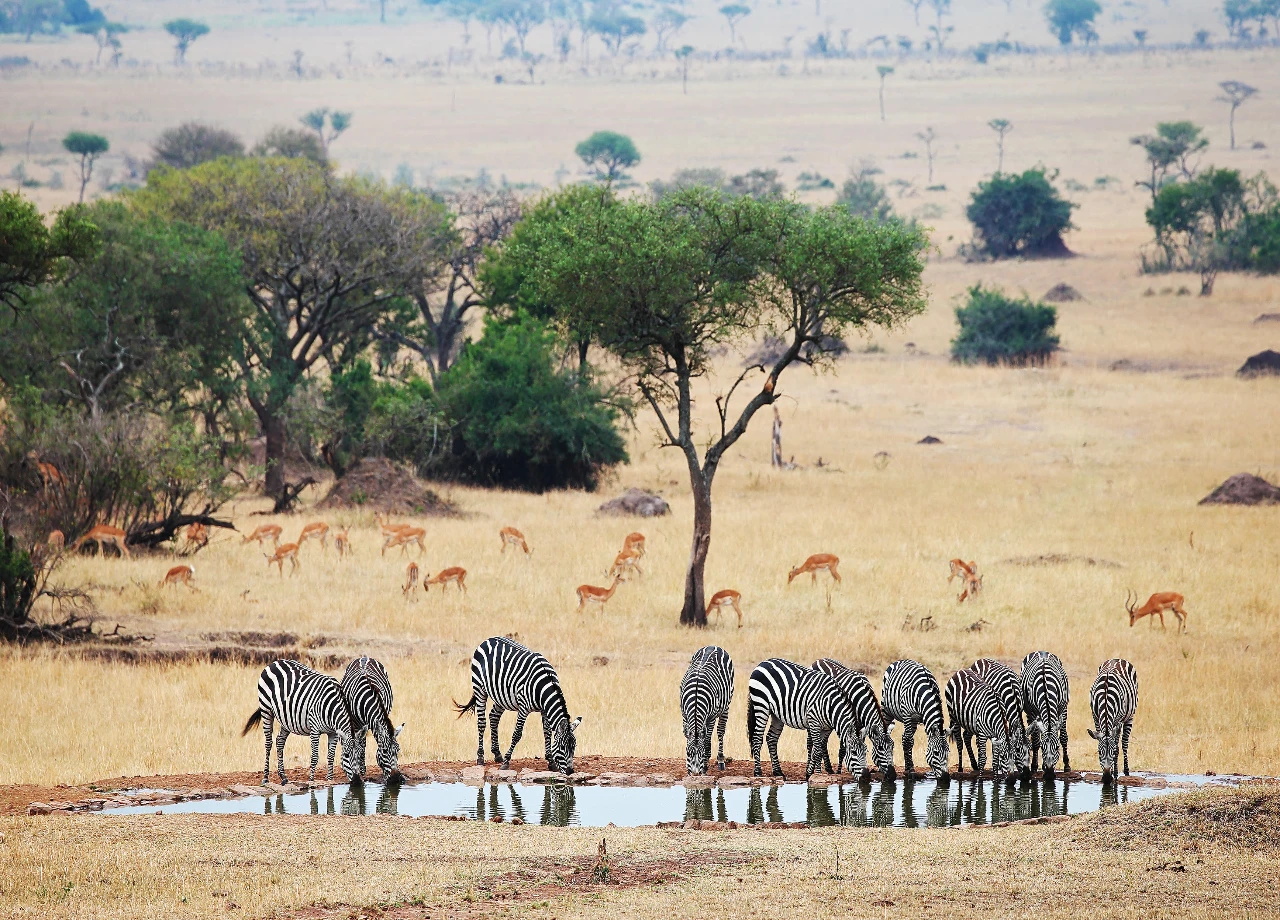
Long dry season (June to October): The season is cool with no rainfall. This is the peak tourist season for safaris, as animals are seen congregating around water sources.
Short Dry Season (January to February): Hot and dry, with great days for safaris-hence clear skies and good visibility.
Coastal weather is comparatively consistent, hot, and humid throughout the year. Still, dry seasons are the best periods to visit because it rains less.
Month-by-Month Kenya Visit Guide
To help you plan your itinerary, below is an almost month-wise table of expected weather conditions in Kenya:
January
Weather: Hot and dry, with temperatures between 25°C (77°F) in Nairobi and 30°C (86°F) at the coast.
Wildlife: Game viewing is extremely good, with animals gathered near water holes. The Masai Mara is still good for sightings, although migration is going on in Tanzania.
Activities: Safari in Masai Mara, Amboseli, or Tsavo; beach holidays in Mombasa or Diani.
Crowds: Moderately crowded; some places are in peak season, so arrangements to stay should be done in advance.
February
Weather: Similar to January, hot and dry, with temperatures slightly higher.
Wildlife: Wildlife viewing remains excellent, with animals concentrated around water sources.
Activities: Best for hiking Mount Kenya or exploring Aberdare National Park; beach fun all the way.
Crowds: Moderate crowds, lesser than those seen in July and August.
March
Weather: This is when the long rains come in, with increasing humidity and scattered showers.
Wildlife: As water comes in plenty, wildlife disperses, making sightings rather unpredictable.
Activities: Birding peaks with migratory bird arrivals; park access can be limited.
Crowds: Low, so few tourists are generally present, while prices may be low.
April
Weather: The long rains are in full force, with heavy rainfall accompanied by humidity.
Wildlife: Wildlife viewing is difficult due to precipitation, dense vegetation, and muddy roads.
Activities: Great bird watching; some lodges may be closed for maintenance.
Crowds: Very low; huge discounts available on accommodation and tour packages.
May
Weather: End of the long rains; it gets better with less rain and more cool.
Wildlife: With water sources drying up, wildlife starts concentrating once again.
Activities: Still decent for the birding in the parks, which are and will be opening up more with the improvement of the roads.
Crowds: Low to moderate, with more tourists coming in towards the end of the month.
June
Weather: The long dry season begins with cool temperatures and very little rainfall.
Wildlife: Wildlife viewing gets better as animals congregate at waterholes.
Activities: Great safaris in Masai Mara, Amboseli, and Samburu; beach weather is nice.
Crowds: Moderate, with the number of tourists swelling up to the peak.
July
Weather: Cool and dry, temperatures range from 20°C in Nairobi to about 28°C on the coast.
Wildlife: The height of the safari season, as the Great Migration begins in the Masai Mara.
Activities: Observe the wildebeest migration; beach holidays with very little rain.
Crowds: Very high as tourists pour in to witness the migration.
August
Weather: Similar to July, cool and dry, with clear skies.
Wildlife: Dramatic river crossings in the Masai Mara mark the peak of the Great Migration.
Activities: Join safaris to Masai Mara Migration; snorkeling and diving at the coast.
Crowds: Very high; many lodges and camps are booked out.
September
Weather: Warming up, dry.
Wildlife: The migration goes on with dramatic action of huge herds in Masai Mara.
Activities: Ideal for safaris and going to the beach; slightly less crowded compared to August.
Crowds: High but diminishing as the month deepens.
October
Weather: Hot and dry with rising temperatures.
Wildlife: Migration herds start traveling back to Tanzania; good wildlife viewing elsewhere.
Activities: Amboseli and Tsavo safaris; beach holidays with warm weather.
Crowds: Moderate, fewer tourists than in July and August.
November
Weather: The rains commence and alternate with sunny weeks in the afternoons.
Wildlife: Wildlife disperses, but great bird-watching opportunities come about.
Activities: Birdwatching at Lake Naivasha and Rift Valley; wildlife safaris on the quieter side.
Crowds: Low to moderate, and will have low prices.
December
Weather: The short rains persist, so it remains much cooler.
Wildlife: Wildlife viewing is good given green landscapes and newborns.
Activities: Safari on a smaller tourist scale; beach holiday and some rain there.
Crowds: Moderate, rising around Christmas and New Year.
Best Time For Specific Events
The general best time for safaris is in the dry season; other events have their best periods:
Wildebeest Migration at Masai Mara: Late July until October, with the height of river crossings taking place in August and September.
Beach Holidays: Best weather with less rainfall in January, February, July, and October.
Bird Watching: November to May, with migratory birds arriving from Europe and Asia. Lake Naivasha and the Rift Valley are major attractions.
Hiking and Trekking: The dry season (June-October, January-February) is the best time for Mount Kenya climbing and for hiking at the Aberdare National Park.
Snorkeling and Diving: January and February along the coast will offer the clearest waters.
Key Destinations and Their Best Time to Visit
Kenya is blessed with an assortment of national parks, reserves, and coastal areas, each exuding its own charm and suitable visiting times:
Masai Mara National Reserve: July and October for the migration; year-round for general safari.
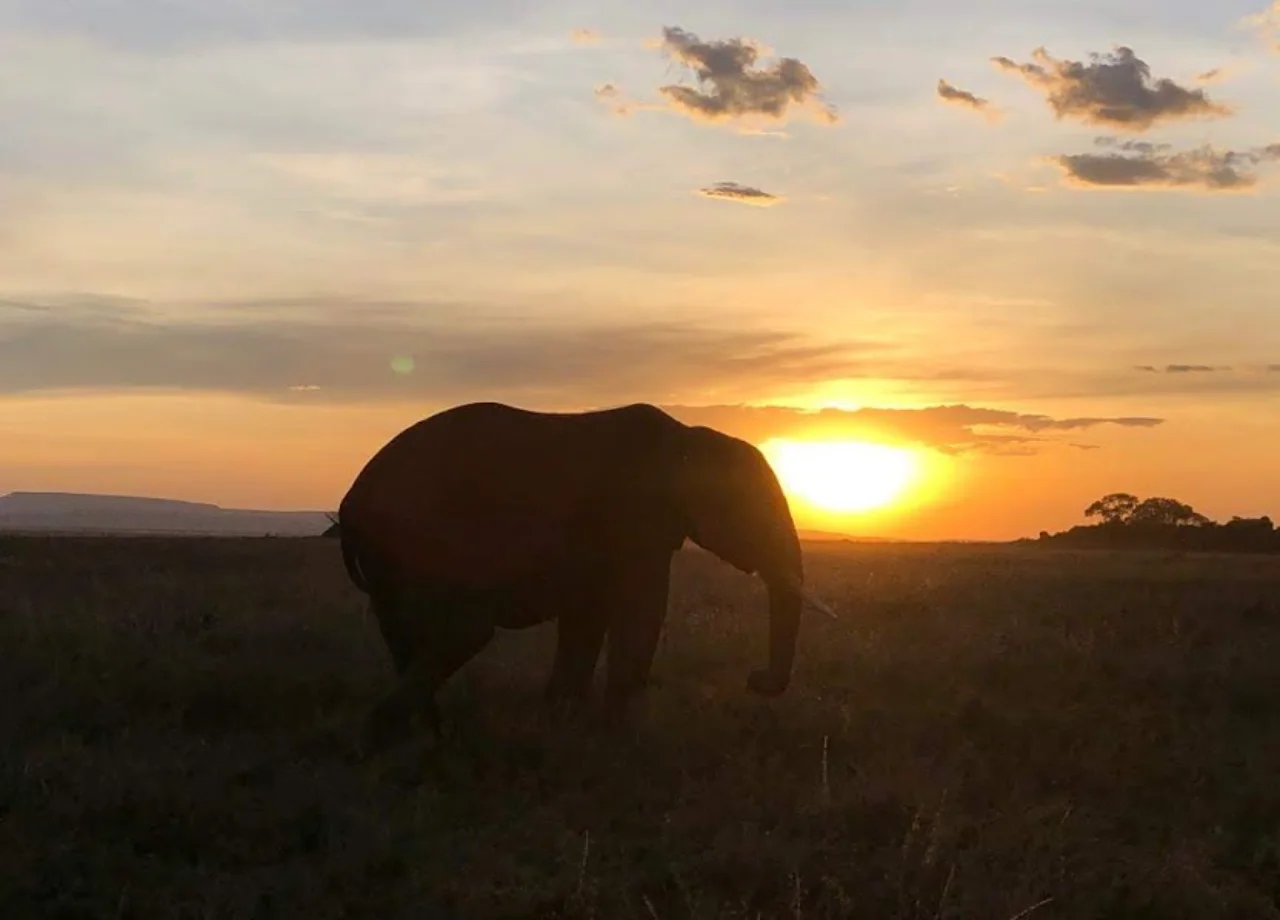
Amboseli National Park: Dry seasons (June-October, January-February) when the elephants are viewed in front of Mount Kilimanjaro.
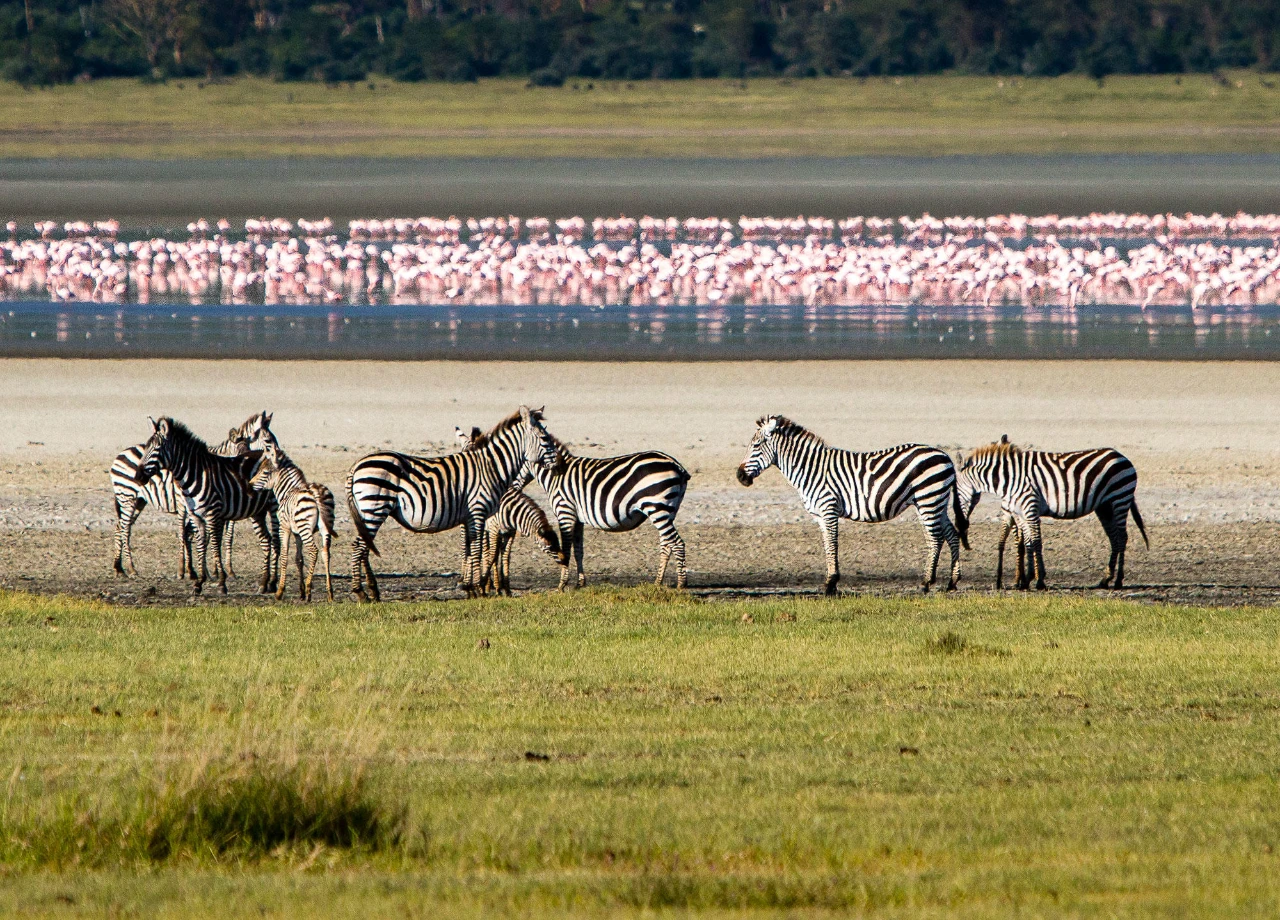
Lake Nakuru National Park: Dry seasons for flamingos and for rhinos; fenced, so good for all of the year.
Samburu National Reserve: The dry: Dry season gives an opportunity to see unique northern Kenya wildlife like Grevy's zebra and reticulated giraffe.
Tsavo East and West National Parks: Dry seasons; Tsavo East for its vast plains and Yatta Plateau, Tsavo West for Mzima Springs and diverse landscapes.
Coastal Beaches (Mombasa, Diani, Watamu, Lamu): January, February, July, an October for the best weather.
Practical Travel Information
Visa Requirements
For travelers to East Africa, the East African Tourist Visa can be special since it allows one to visit Kenya, Uganda, and Rwanda on the same visa. This can be especially helpful if the trip encompasses multiple countries. Check the latest requirements from the official government websites.
Estimated Costs
The price of your trip can swing quite wildly with your travel style.
Budget Travel: $50-$100 per day (camping, self-drive style, basic accommodations).
Medium: $150-$300 per day (lodges with comfort and guided tours).
High-end: $500 per day and above (luxury lodges, private guides, exclusive experiences).
How to Get There
Flights: Domestic airlines link the major cities to parks, for example, Nairobi to Masai Mara or Mombasa.
Buses: The cheapest means of going across various parts of the country. However, they're usually slow and uncomfortable.
Car Hire: If you seek flexibility, especially for self-drive safaris, renting is ideal. Hiring a car with a driver is also a popular option.
Train: A fairly limited network that, however, offers scenic views while traveling between Nairobi and Mombasa.
Accommodation
Kenya offers a full variety of accommodation:
Budget: Camping sites, basic guesthouses, and hostels.
Mid-range: Comfortable Kenyan lodges, bandas (Kenyan-style huts), and guesthouses with facilities.
Luxury: Tented camps, luxury lodges, and resorts with world-class facilities and services.
Unique Selling Points for Kenya
What makes Kenya an incredible travel destination for tourists?
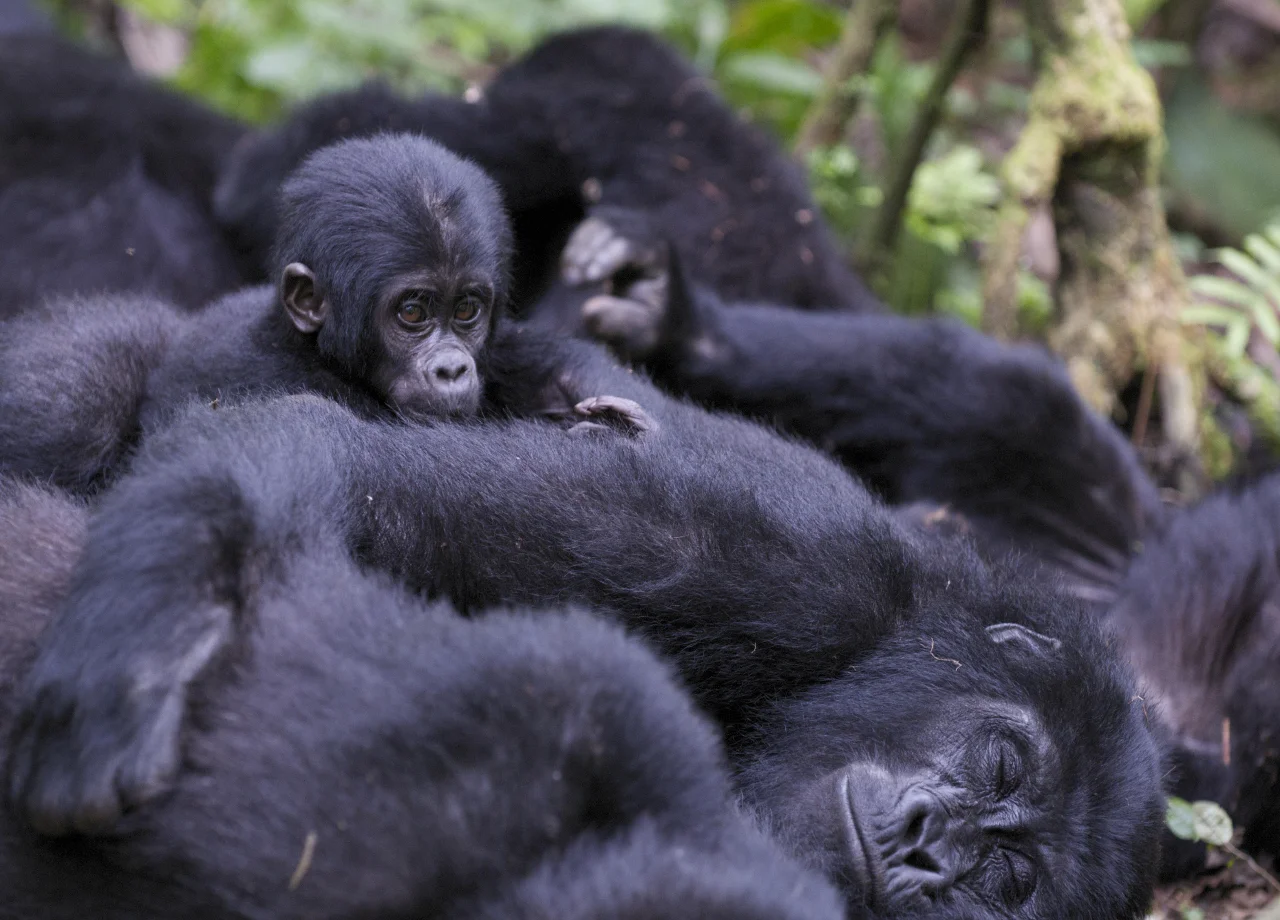
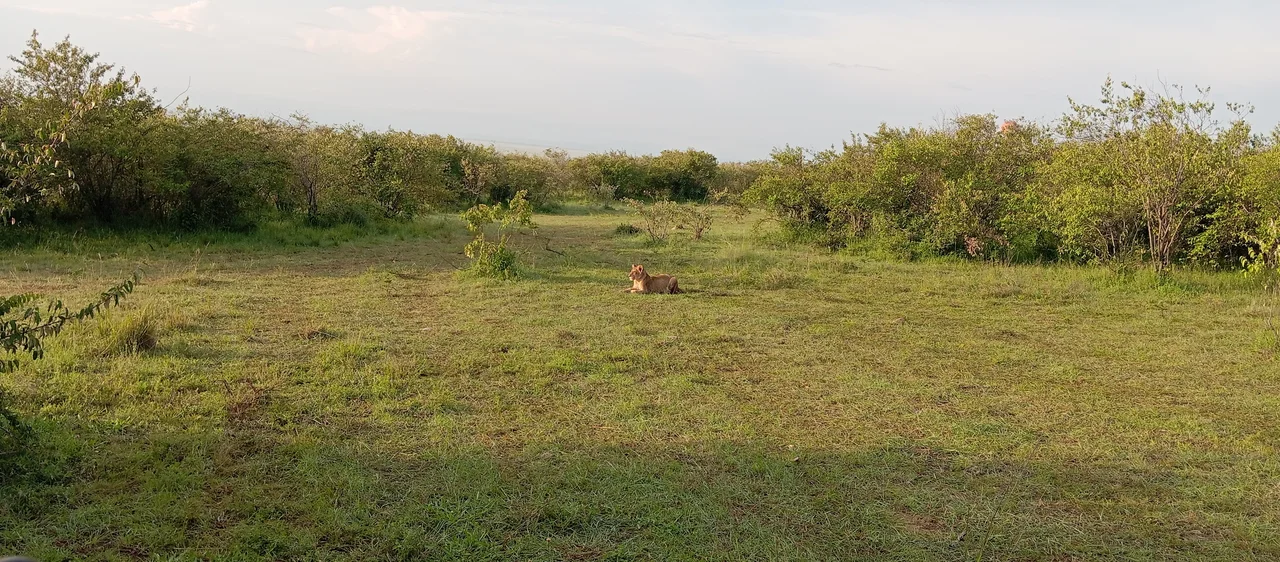
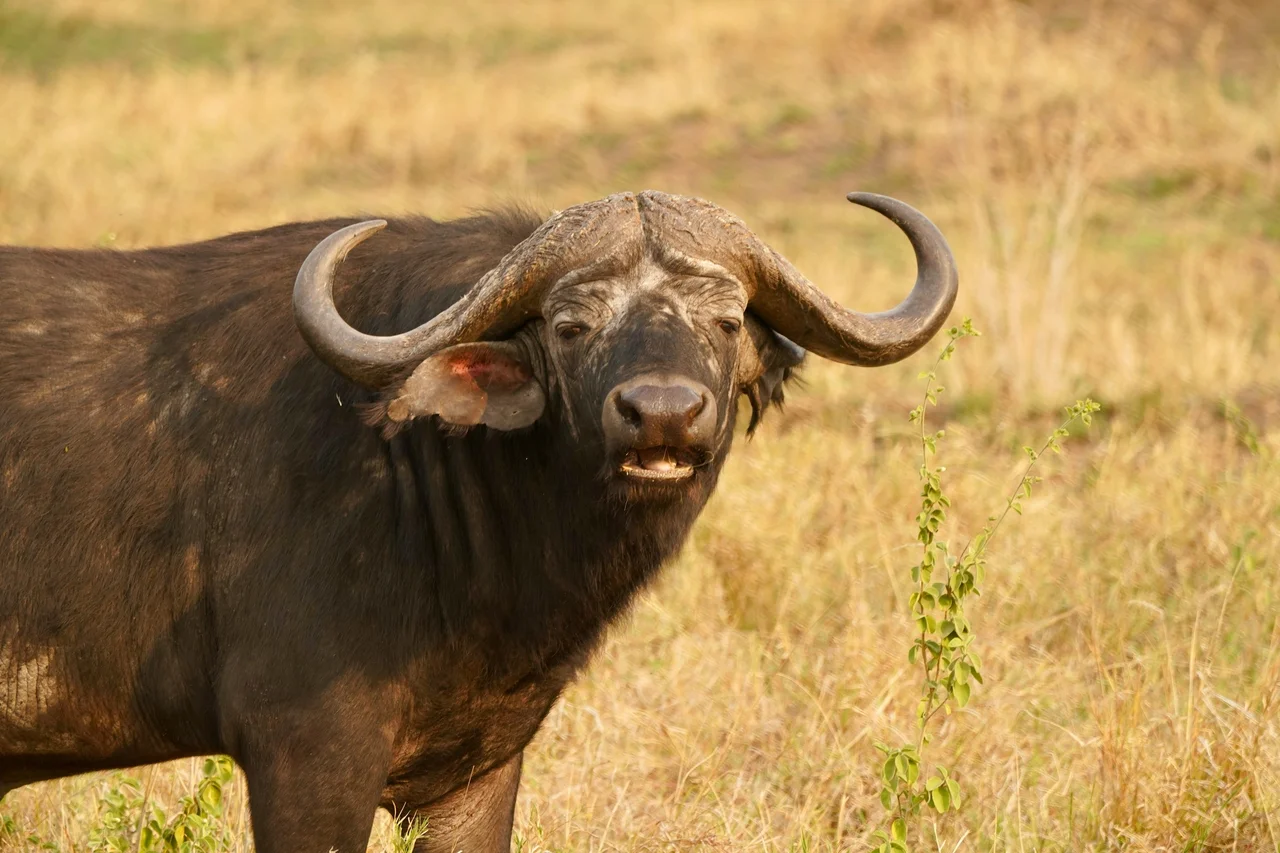
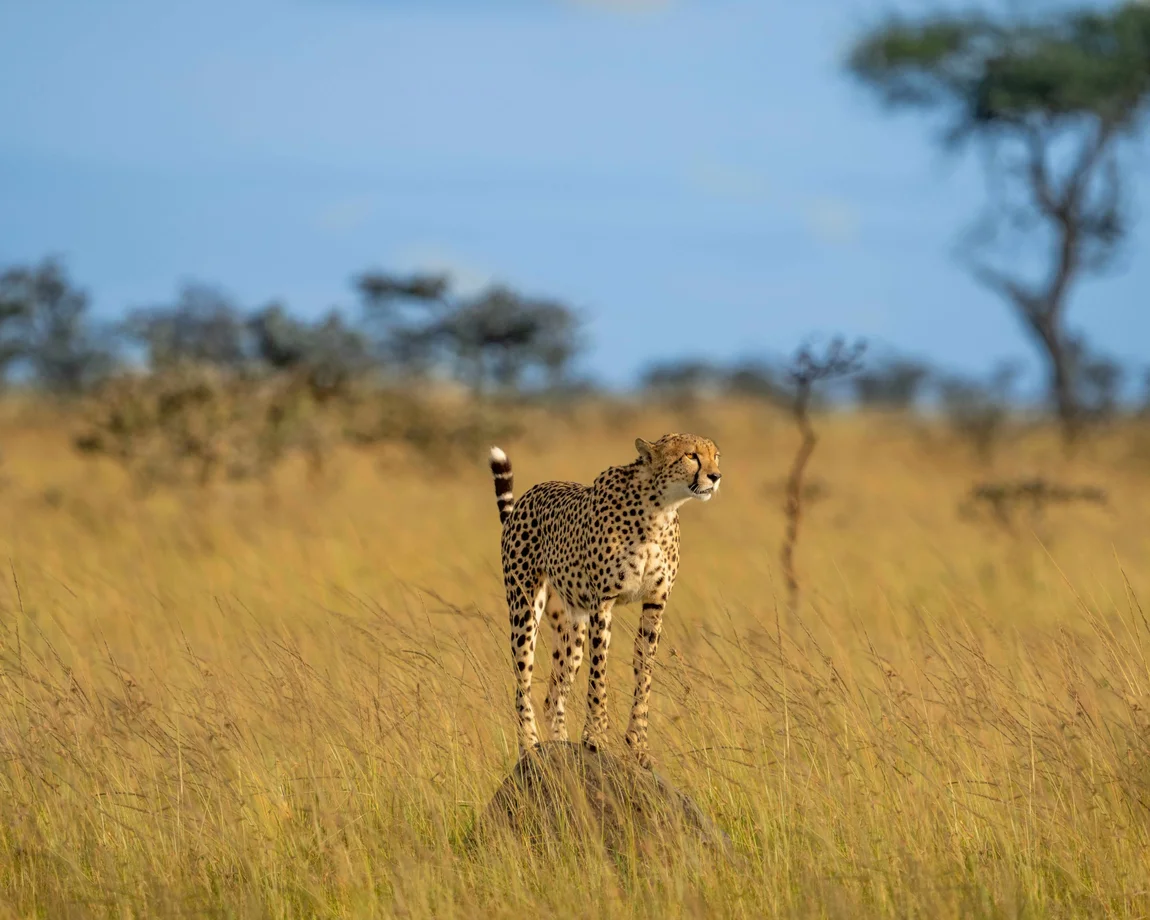
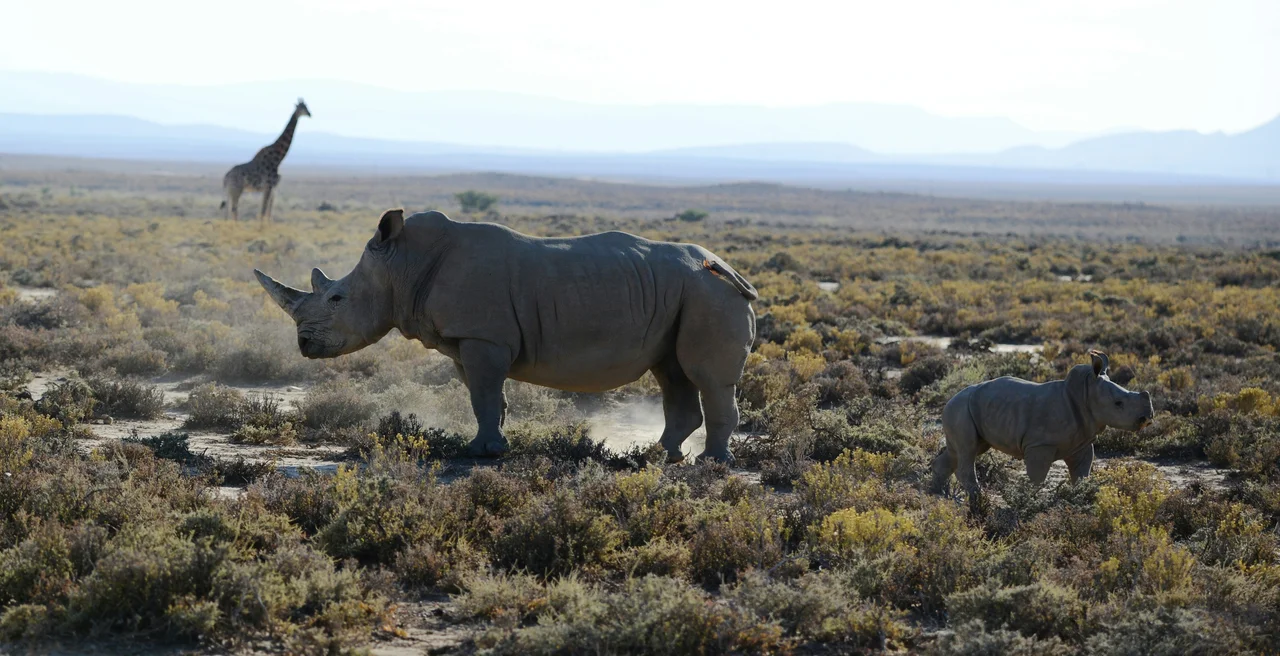
Wildlife Diversity: Kenya offers its wildlife unlike any other; from the Big Five (lion, leopard, buffalo, elephant, rhino) to the rare Grevy's zebra and Somali ostrich.
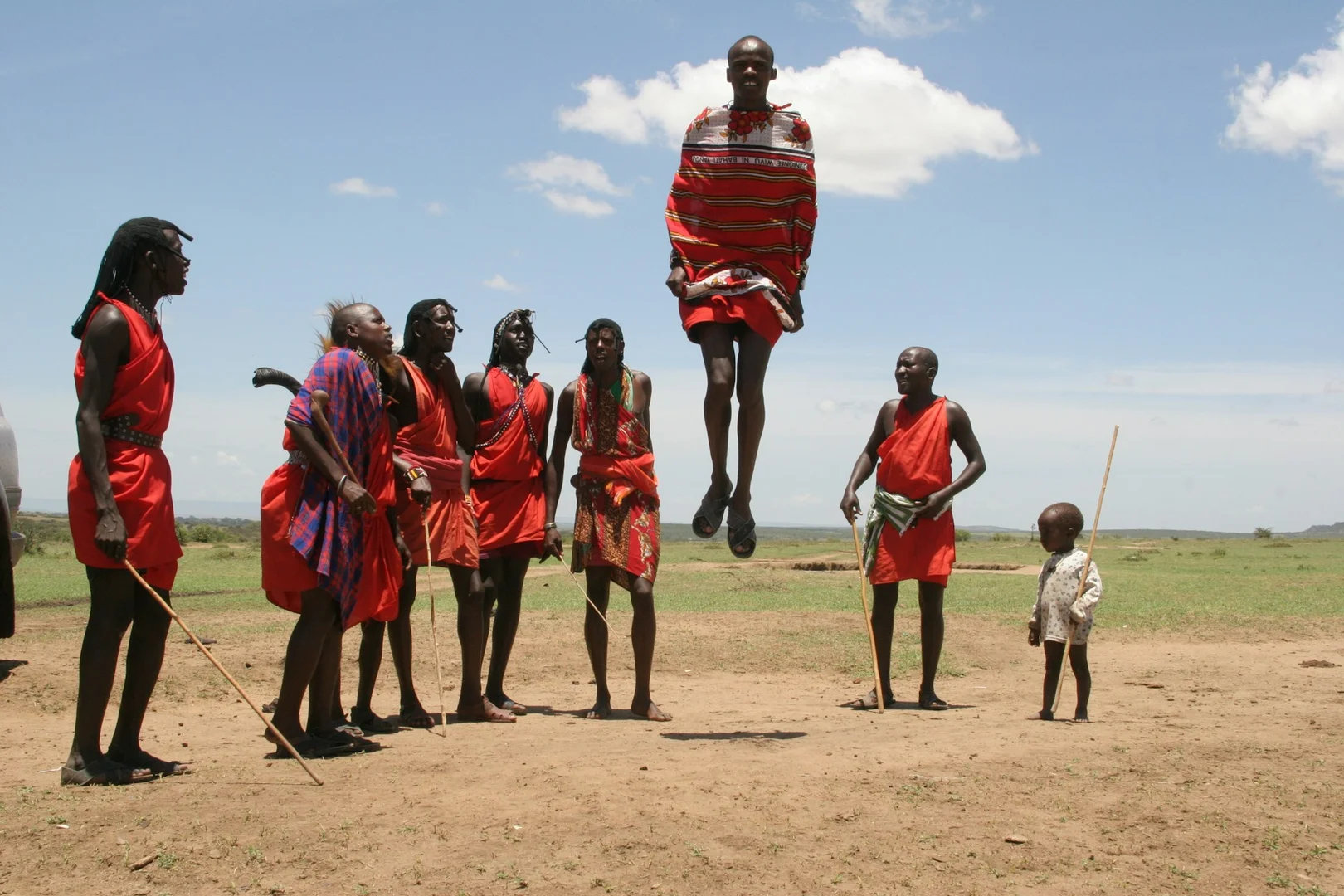
Cultural Experiences: Have an encounter with the Masai, watch the Nairobi markets in action, or experience Swahili culture along the coast.
Adventure Activities: Hot air balloon rides over the Masai Mara, camel trekking up north, and diving with whale sharks down at the coast-there is hardly any shortage of excitement in Kenya.
Beaches: White sand beaches, coral reefs, and marine parks all adorn the coastline, making it an ideal location for relaxation and water sports.
How to Book Your Safari
Ready to start planning your adventure? Contact us at +254 786 542 264 or visit our contact page. Our team will work with you to create a customized itinerary that fits your budget and interests. Be sure to book early, especially for high-season travel (June-October).
Conclusion
Kenya can be visited any time throughout the year, but the perfect time to visit the country depends on your interests and preferences. Visiting during the dry season (June-October and January-February) is best if you're into safari and great wildlife viewing. The coast is open for visitors all year round but is best enjoyed during dry months, whether it's for beach activities or simply strolling hand-in-hand by the shore. Witnessing the Great Migration, relaxing at Diani Beach, or experiencing Nairobi's culture, Kenya certainly has much to offer for memories. Savannah Wanderlust Expeditions is here for you to map out your wonderful journey in this beautiful country.