An Extensive Guide to the Remarkable Wildebeest Migration
Overview
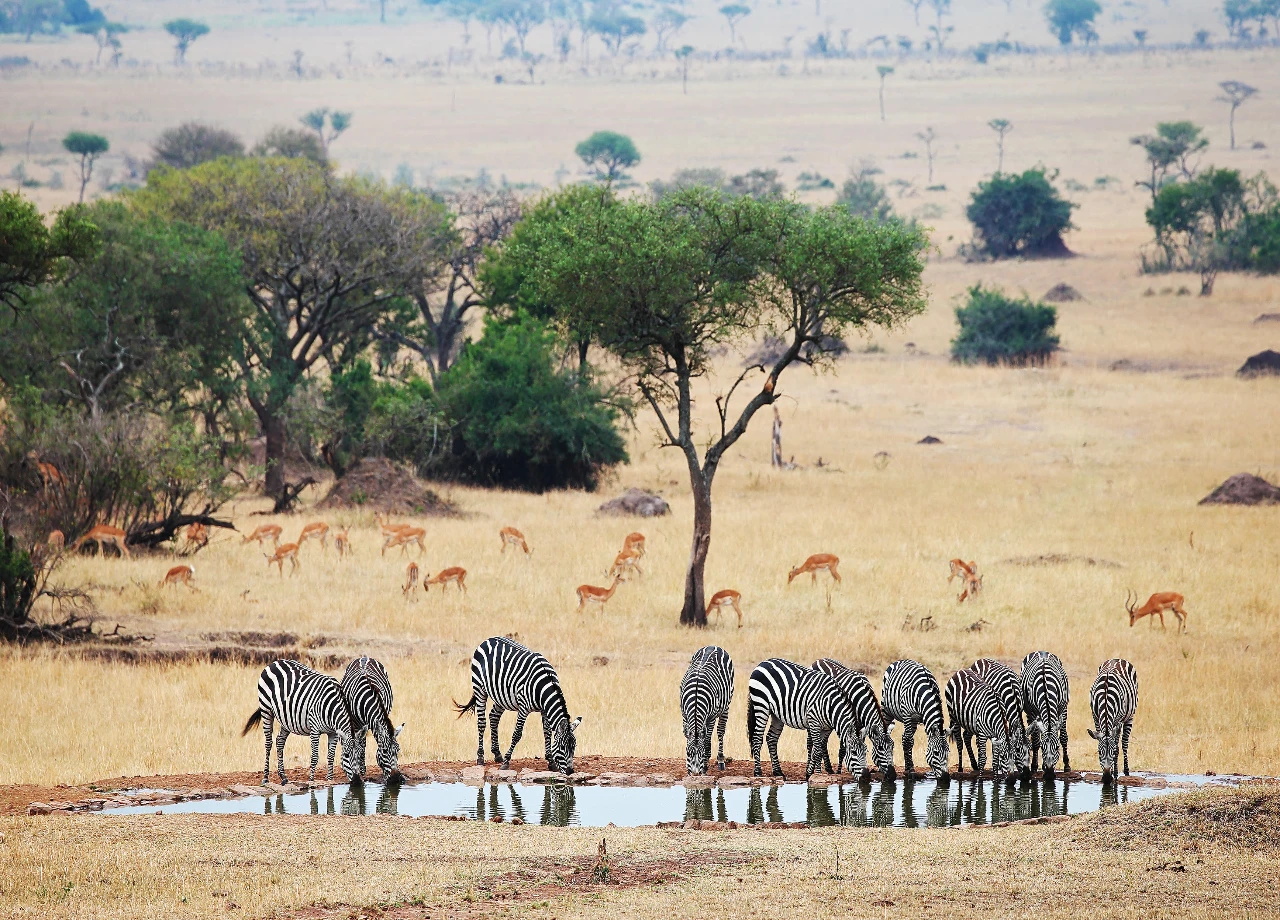
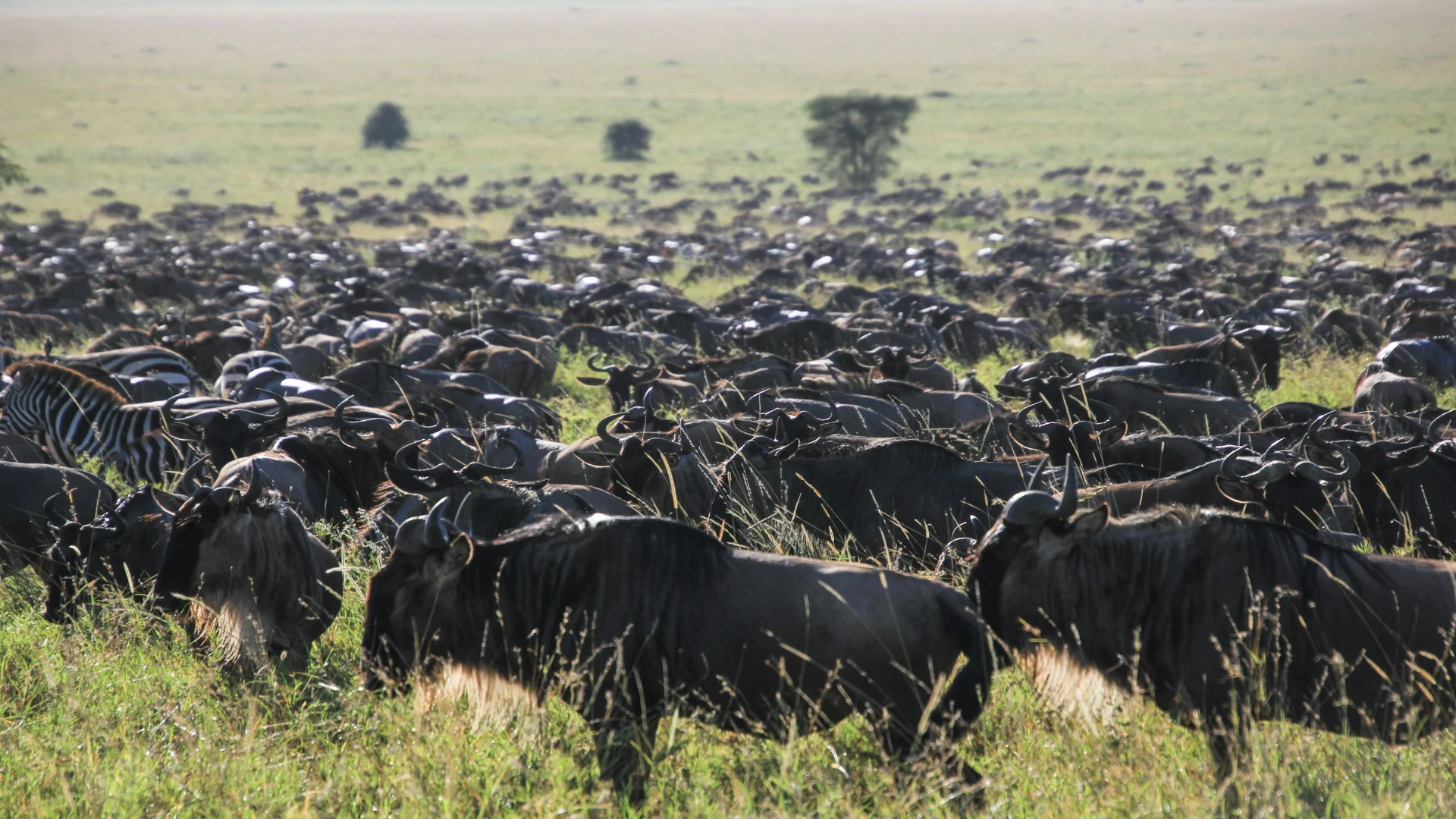
Picture the astonishing sight of over a million wildebeests, zebras, and various other plant-eating animals racing across the immense plains of East Africa in an endless pursuit of sustenance. This extraordinary phenomenon is known as the Great Wildebeest Migration, a truly breathtaking display of nature's wonders that should not be missed by any wildlife admirer or adventurous soul. Stretching across Tanzania's Serengeti National Park and Kenya's Masai Mara National Reserve, this yearly migration showcases the resilience of nature and promises an unforgettable adventure for travelers. In this guide, we will delve into every facet of the migration, from its awe-inspiring journey to practical advice for travelers, ensuring you are fully equipped for this once-in-a-lifetime expedition.
Grasping the Great Wildebeest Migration
What Defines the Great Wildebeest Migration?
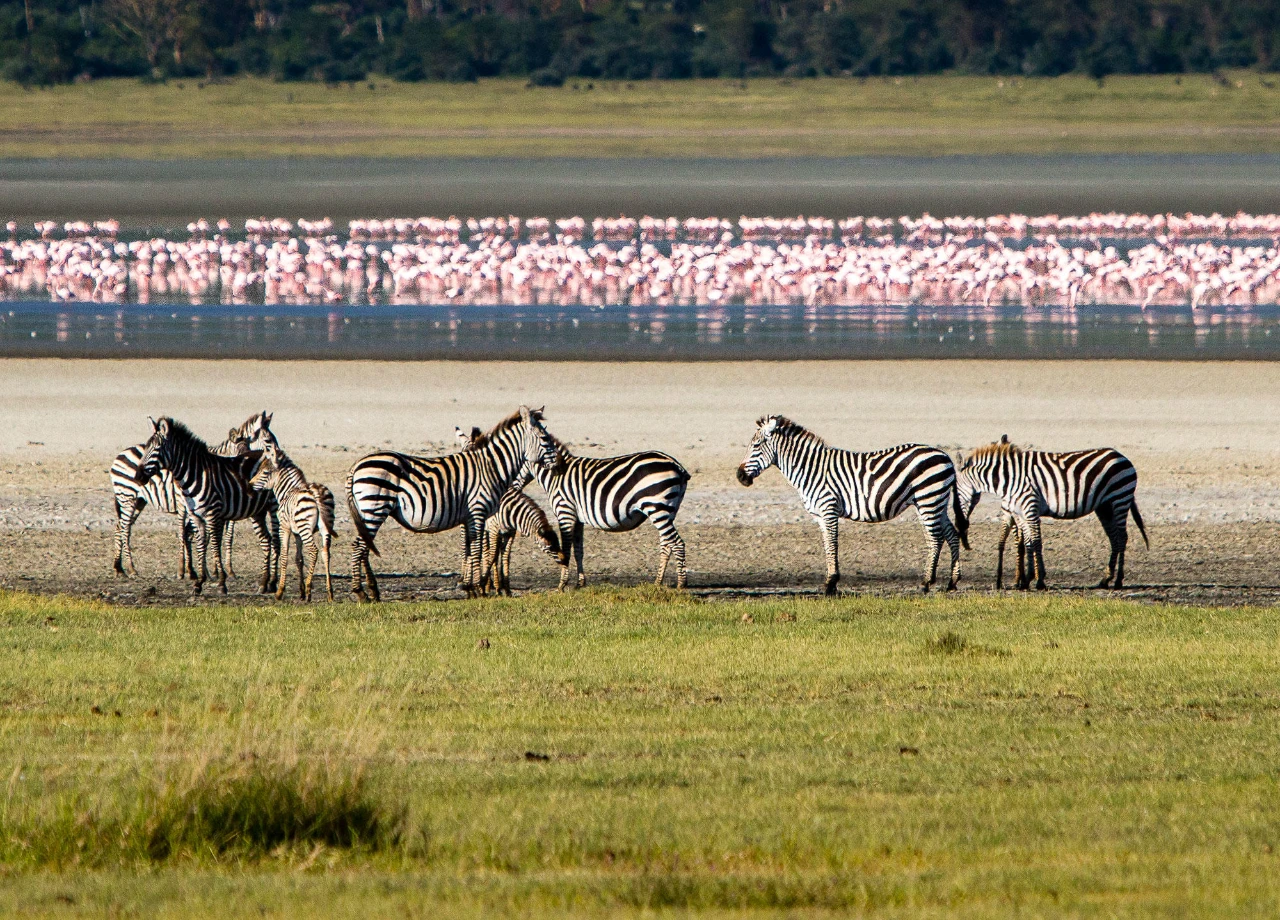
The Great Wildebeest Migration stands as the most extensive land migration of mammals on the planet, involving around 1.5 million wildebeest, 200,000 zebras, and numerous other plain-dwelling animals like gazelles and antelopes. These creatures follow a circular path through Tanzania's Serengeti National Park and Kenya's Masai Mara National Reserve, driven by the quest for fresh pastures and water sources. More than just a spectacle, this migration serves as a vital ecological event that bolsters predator populations and upholds ecosystem equilibrium.
What Stimulates Their Migration?
The migration primarily unfolds in response to seasonal rainfall. The wildebeest track the rains, which spur the growth of new grass crucial for their survival. This migration guarantees access to nutrient-rich grazing lands, prevents overgrazing, and plays a pivotal role in their reproductive cycle, with birthing taking place in the southern Serengeti during the wet season. While there are indications that distant thunderstorms and lightning might influence the migration, conclusive scientific evidence is lacking.
The Migration Path: A Detailed Monthly Guide
The Great Wildebeest Migration navigates a roughly circular path, commencing in the southern Serengeti of Tanzania, progressing northward into Kenya's Masai Mara, and then circling back southward. Although precise timings can vary due to rainfall patterns, here is a general overview of the migration's key phases:
January to March: Birthing Phase
Location: Southern Serengeti, close to Ngorongoro Conservation Area
Highlights: Witness over 8,000 wildebeest calves born daily in this period. The short-grass plains offer optimal conditions for birthing, with lush, nutritious grass and reduced predator presence.
Ideal for: Photography enthusiasts and those eager to observe newborn calves.
April to May: Northern Movement
Location: Central Serengeti, near Moru Kopjes and Seronera
Highlights: With the northward movement of rains, the herds migrate as well. This period also marks the mating season, where male wildebeest vie for mates.
Best for: Viewing large herds on the move and witnessing intense mating rituals.
June: Westward Passage
Location: Western Serengeti, neighboring the Grumeti River
Highlights: Herds commence crossing the crocodile-infested Grumeti River, creating riveting scenes.
Recommended for: Experiencing thrilling river crossings and predator activities.
July to August: Northern Serengeti and Masai Mara
Location: Northern Serengeti and Masai Mara
Highlights: The most iconic phase, featuring herds crossing the Mara River, braving crocodiles and swift currents.
Perfect for: Witnessing peak migration drama and encountering numerous large predators.
September to October: Masai Mara
Location: Masai Mara National Reserve
Highlights: Herds disperse across the lush grasslands of the Masai Mara.
Great for: Relaxed wildlife observation and diverse animal encounters.
November to December: Homeward Trek
Location: Eastern Serengeti and southern plains
Highlights: As the brief rains arrive, the herds journey back south, completing their cycle.
Recommended for: Observing the herds in tranquil Serengeti regions.
Prime Locations and Noteworthy Sights
Serengeti National Park, Tanzania
Noteworthy Sights:
Southern Serengeti: Perfect for the birthing season (January-March).
Central Serengeti: Home to Moru Kopjes and Seronera, excellent for wildlife spotting.
Western Corridor: Famed for Grumeti River crossings.
Northern Serengeti: Site of the Mara River crossings.
Distinct Experiences:
Engage in hot air balloon safaris over the Serengeti plains.
Embark on guided walking safaris in designated zones.
Masai Mara National Reserve, Kenya
Noteworthy Sights:
Mara River: Observe dramatic crossings (July-October).
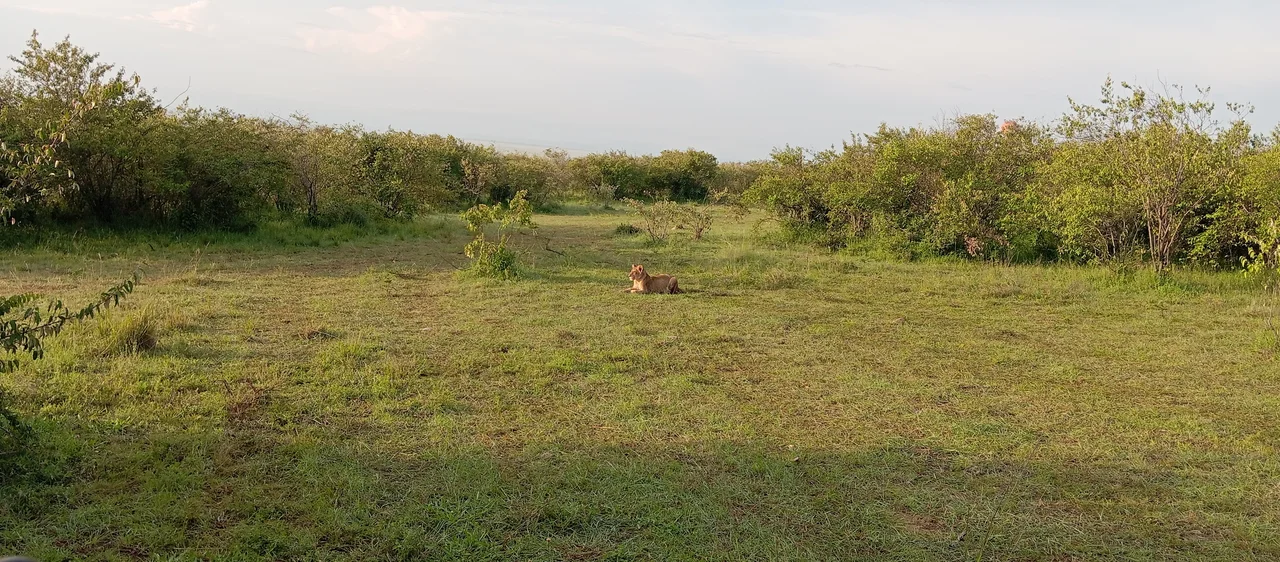
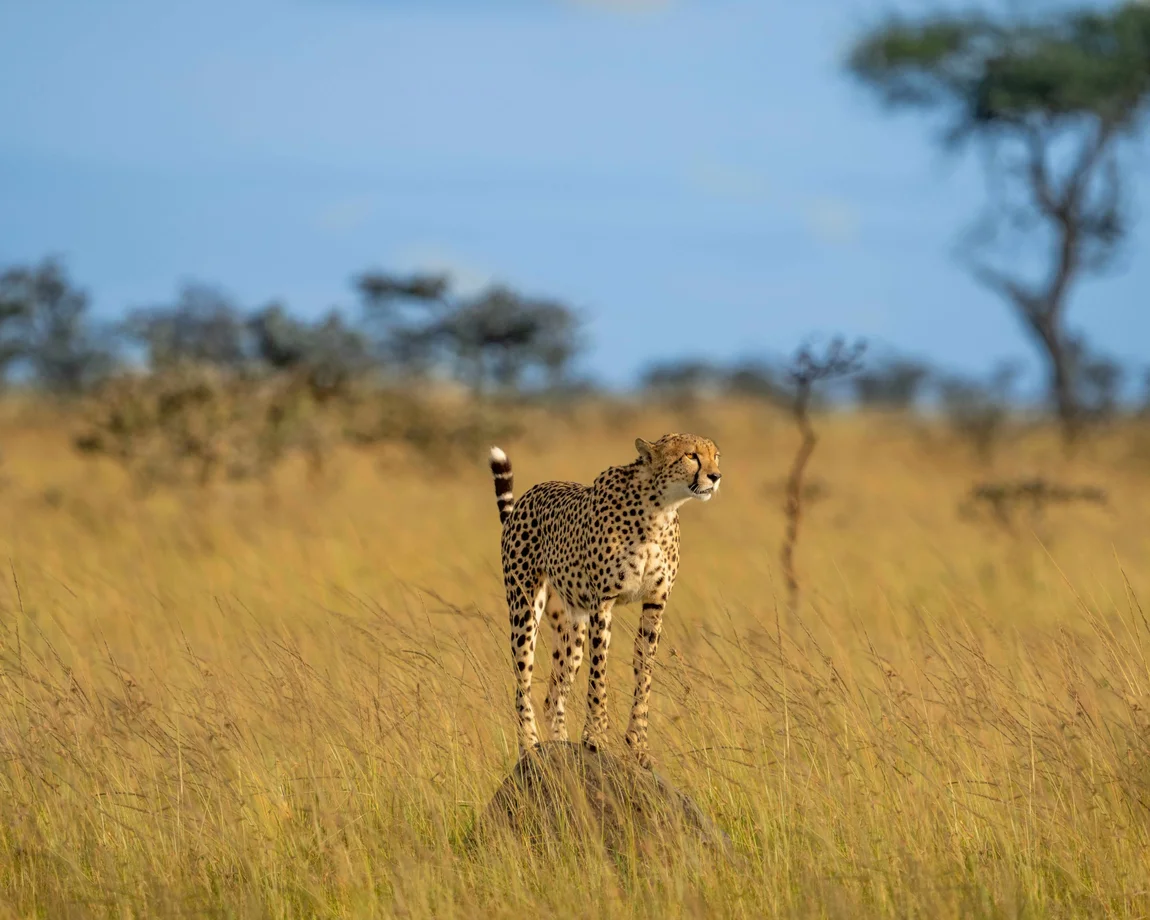
Open grasslands: Ideal for spotting predators like lions and cheetahs.
Distinct Experiences:
Participate in cultural visits to Maasai villages.
Enjoy night game drives in private conservancies.
Essential Travel Details
Visa Guidelines
Tanzania: Most nationalities necessitate a visa. Apply online at Tanzania Immigration or acquire one upon arrival at major airports. However, it is advisable to apply in advance.
Kenya: Many nationalities require an Electronic Travel Authorization (ETA). Apply online at Kenya Immigration.
Note: There is no combined visa for Tanzania and Kenya. Travelers exploring both countries must secure separate visas. East African Community (EAC) citizens benefit from free movement regulations, but international visitors must obtain separate visas.
Optimal Visit Periods
Birthing Season: January to March (Serengeti, Tanzania)
River Crossings: July to October (Masai Mara, Kenya, and Northern Serengeti, Tanzania)
Regional Variances: Take into account weather trends; the dry season (June-October) provides clearer visibility, while the wet seasons (March-May, November-December) might witness scattered herds.
Approximate Expenses
Economical Safari: $1,500- $2,000 per individual for a 7-day excursion (basic camping, shared transportation)
Moderate Safari: $2,100- $4,200 per individual for a 7-day trip (comfortable lodges, private transportation)
Luxurious Safari: $5,000+ per week (exclusive lodges, private guides)
Transit Options-To the Reserves:
Flights: Direct flights to Arusha (Tanzania) or Nairobi (Kenya), with connecting flights to Serengeti or Masai Mara.
Road Travel: Self-driving or guided tours from major urban centers.
Within the Reserves:
Game Drives: Standard safari vehicles for exploration.
Walking Safaris: Available in selected regions for a more immersive experience.
Balloon Safaris: For breathtaking aerial perspectives of the migration.
Recommended Accommodations
Economical:
Tanzania: Ubuntu Migration Camp (mobile camp tracking the herds)
Kenya: Encounter Mara (comfortable tents at a reasonable rate)
Moderate:
Tanzania: Sanctuary Kichakani Serengeti Camp (blend of comfort and wilderness)
Kenya: Enkakenya Camp - Maasai Mara (prime location, exceptional service)
Luxury:
Tanzania: Four Seasons Safari Lodge Serengeti (unmatched luxury)
Kenya: Sanctuary Olonana (lavish tented camp with Mara River views)
Distinctive Attributes of the Great Wildebeest Migration
Wildlife Extravaganza: Observing millions of animals on the move is unparalleled, featuring thrilling river crossings and interactions between predators and prey.
Ecological Importance: The migration sustains predator populations (lions, cheetahs, hyenas) and preserves biodiversity in the Serengeti-Mara ecosystem, supporting over 1,000 animals per km² at peak density.
Cultural Engagement: Engage with local communities such as the Maasai, delving into their traditions and lifestyle through village visits.
Adventure Prospects: From balloon safaris to walking expeditions, there is something for every type of traveler, including family outings and bush safaris.
Conclusion
The Great Wildebeest Migration transcends mere safari expeditions; it represents an odyssey into the core of nature's magnificence. By comprehending its nuances, arming yourself with practical travel guidance, and selecting the opportune moment for your visit, you can relish this natural marvel in all its grandeur. Whether you are captivated by the excitement of river crossings, the tranquility of the birthing season, or the cultural tapestry of East Africa, Savannah Wanderlust Expeditions is poised to curate your ideal migration safari.
Reserve your spot now and allow us to lead you through one of the planet's most extraordinary wildlife exhibitions.