Ultimate Guide to Kilimanjaro National Park: East Africa's Iconic Safari & Hiking Destination
Mount Kilimanjaro National Park in Tanzania is a crown jewel of East African travel, blending the thrill of Africa's highest peak with rich wildlife, diverse habitats, and vibrant local culture. This guide offers an expert overview to help travelers plan their Kilimanjaro adventure, including safaris, hiking itineraries, cultural experiences, and travel tips to maximize your visit.
Introduction to Kilimanjaro National Park
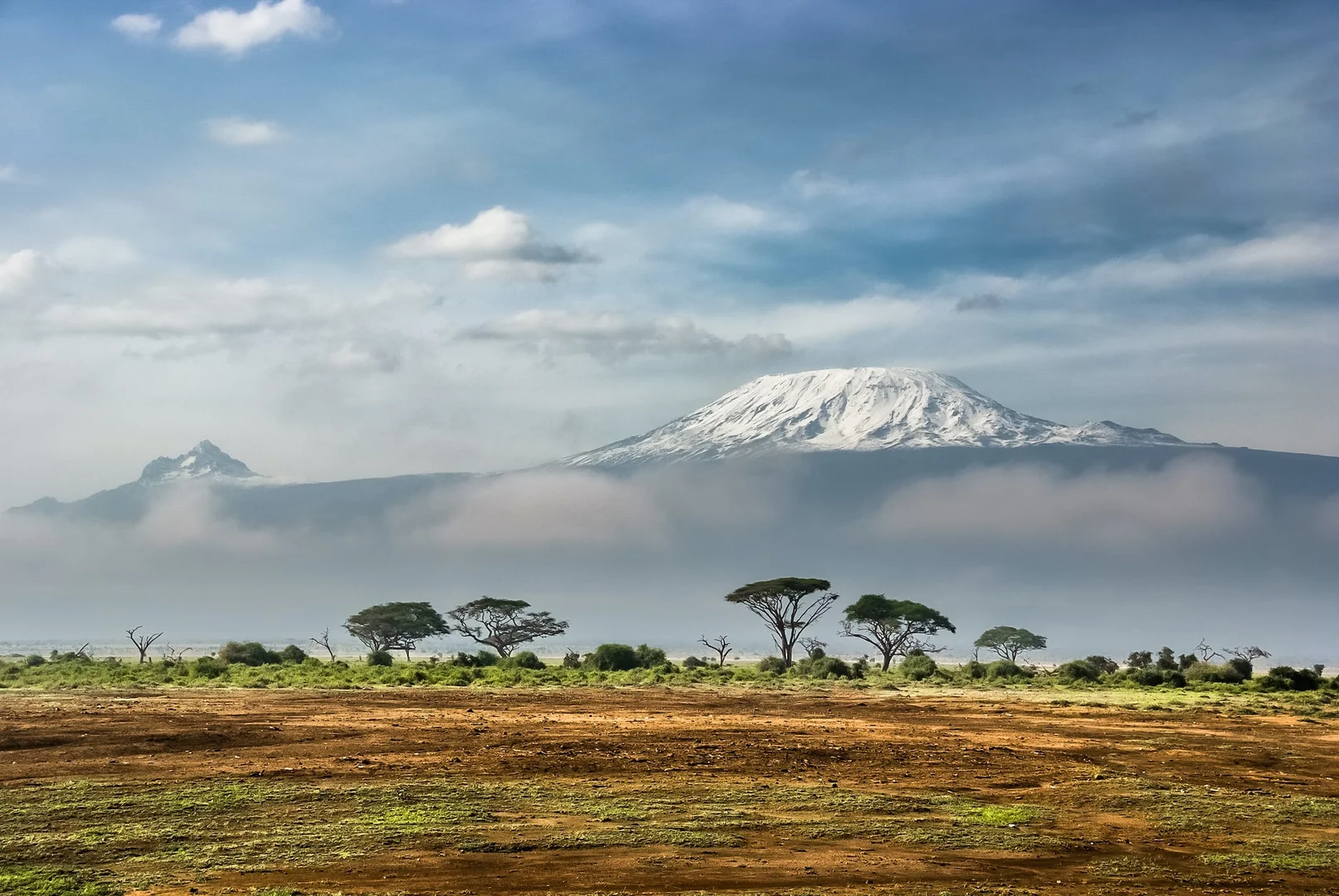
Mount Kilimanjaro, Africa's tallest free-standing mountain at 5,895 meters, is not only a climber's dream but also the centerpiece of Kilimanjaro National Park. The park spans approximately 1,688 square kilometers, featuring diverse ecological zones from tropical forests to alpine deserts and snow-capped peaks.
Declared a UNESCO World Heritage Site, the park is a sanctuary for wildlife and a cultural hub for the Maasai people. Its unique position near the Kenya-Tanzania border offers spectacular views over the Amboseli plains and an unmatched safari experience.
Rich Biodiversity and Wildlife
Kilimanjaro National Park supports an impressive variety of wildlife species, making it a compelling destination for safari enthusiasts beyond just mountain climbing.
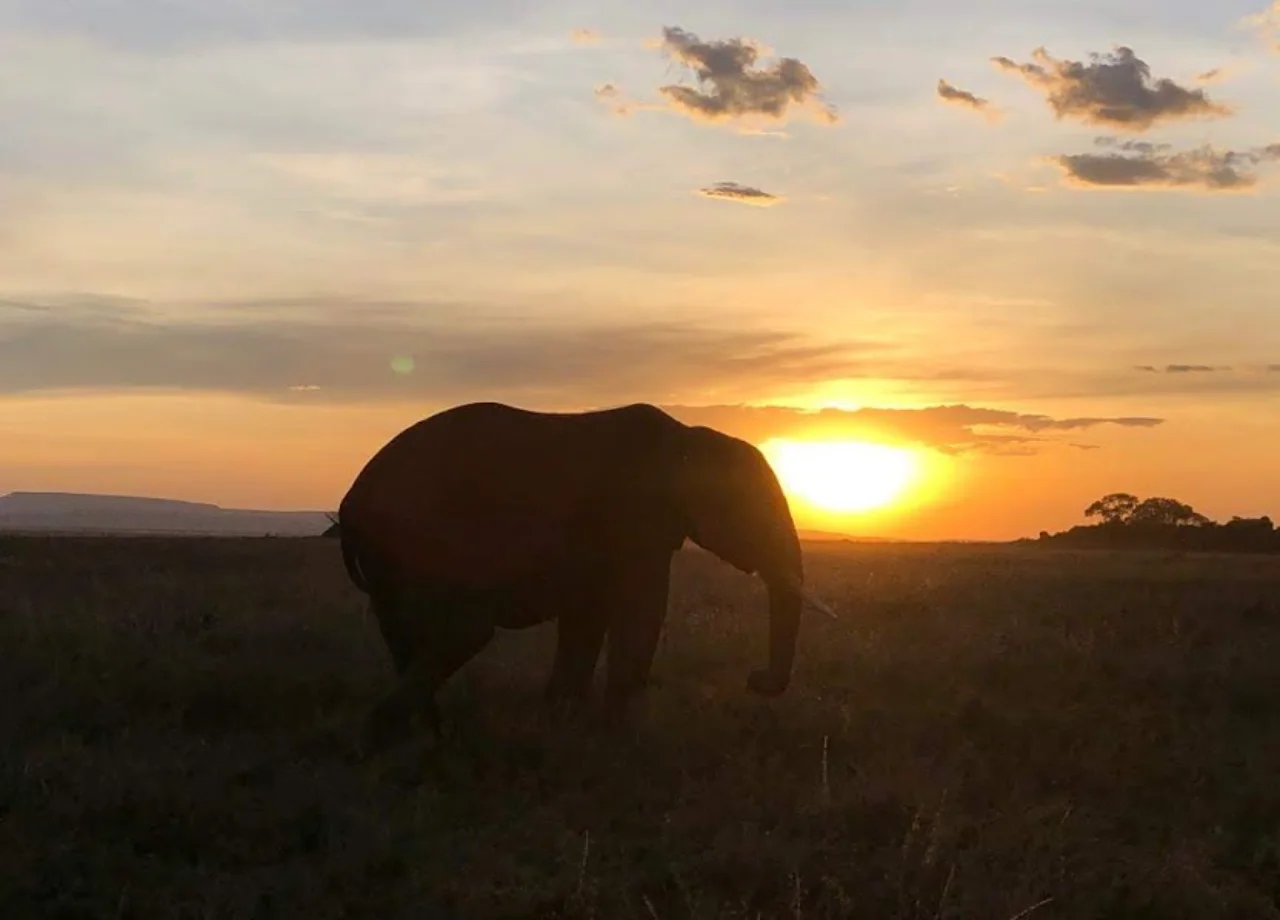
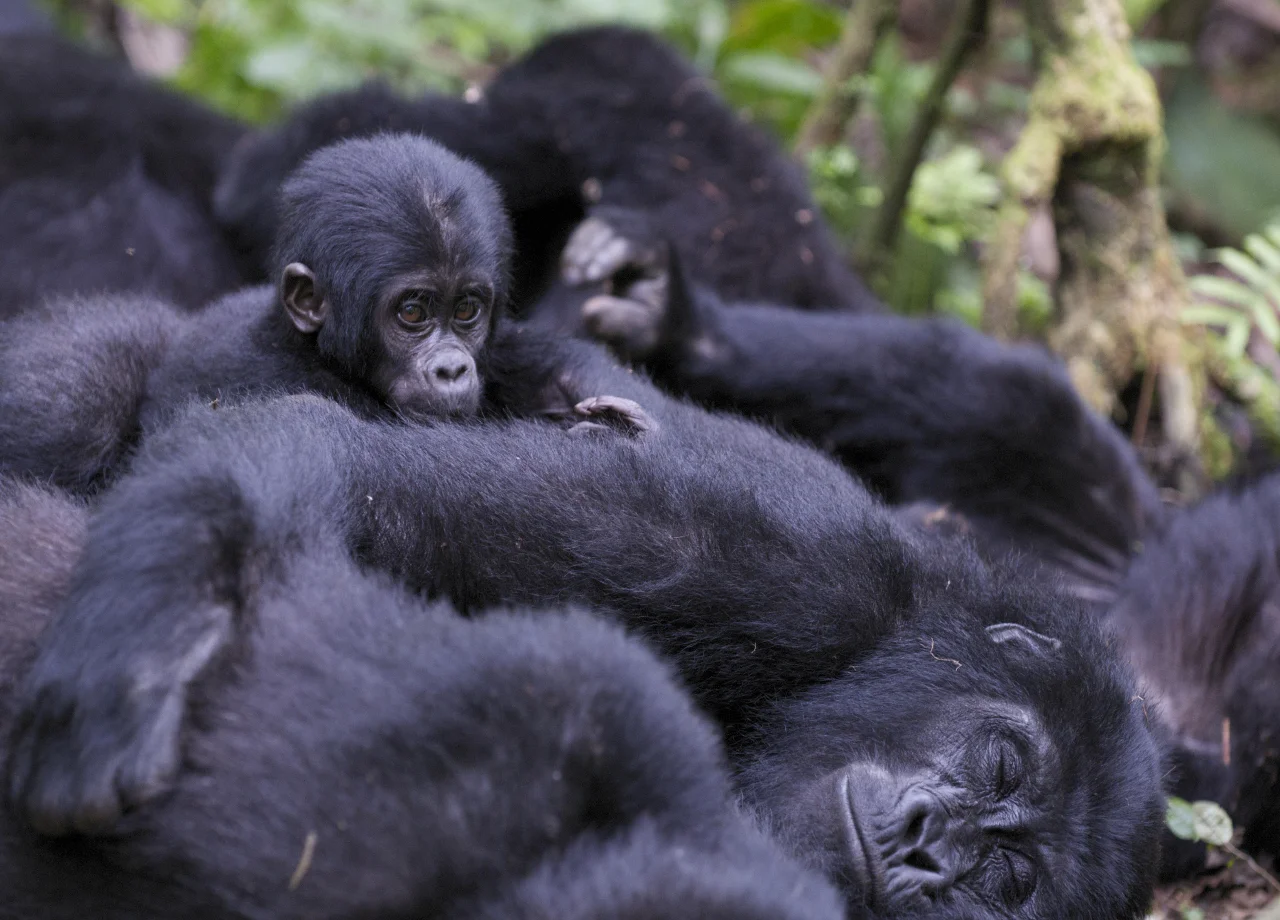
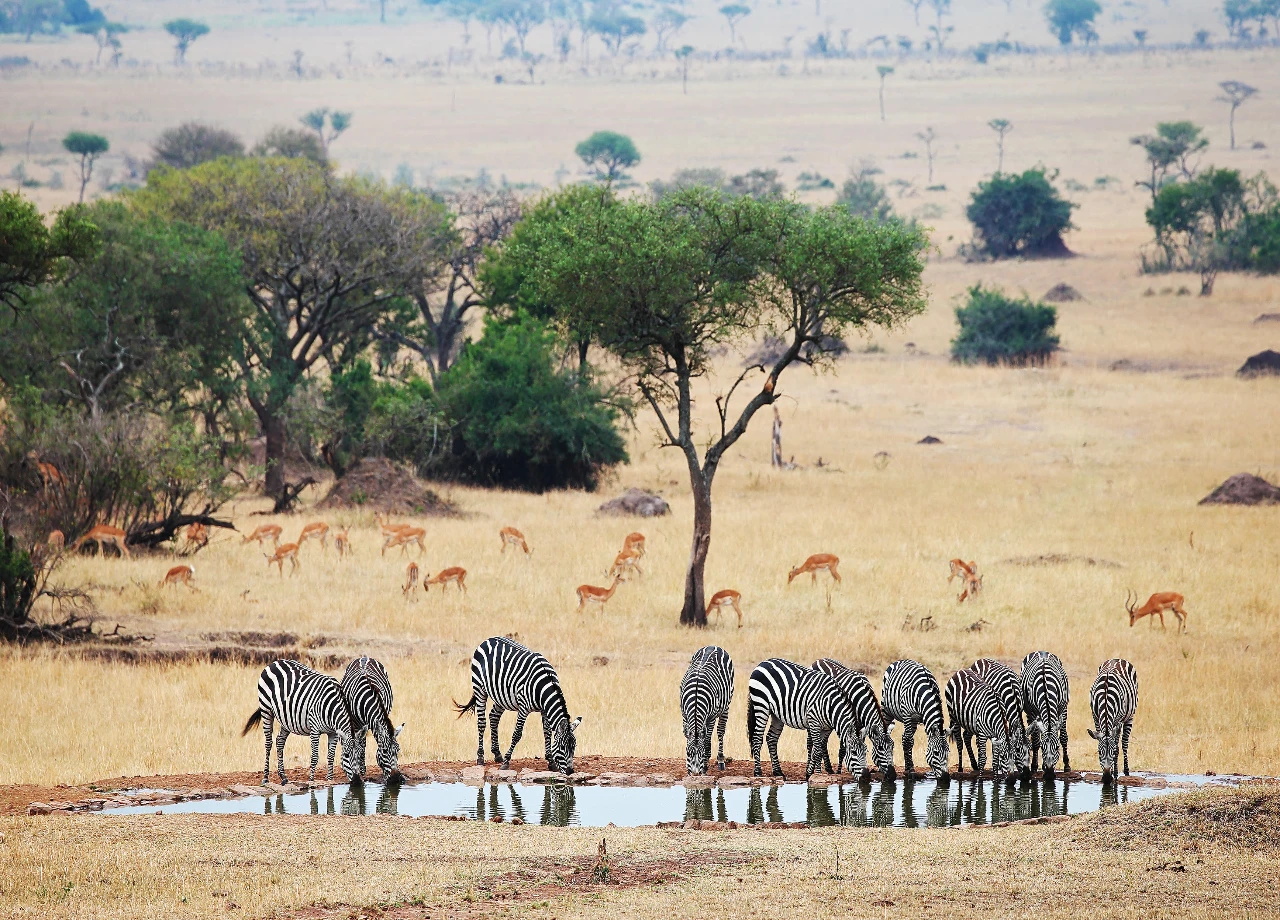
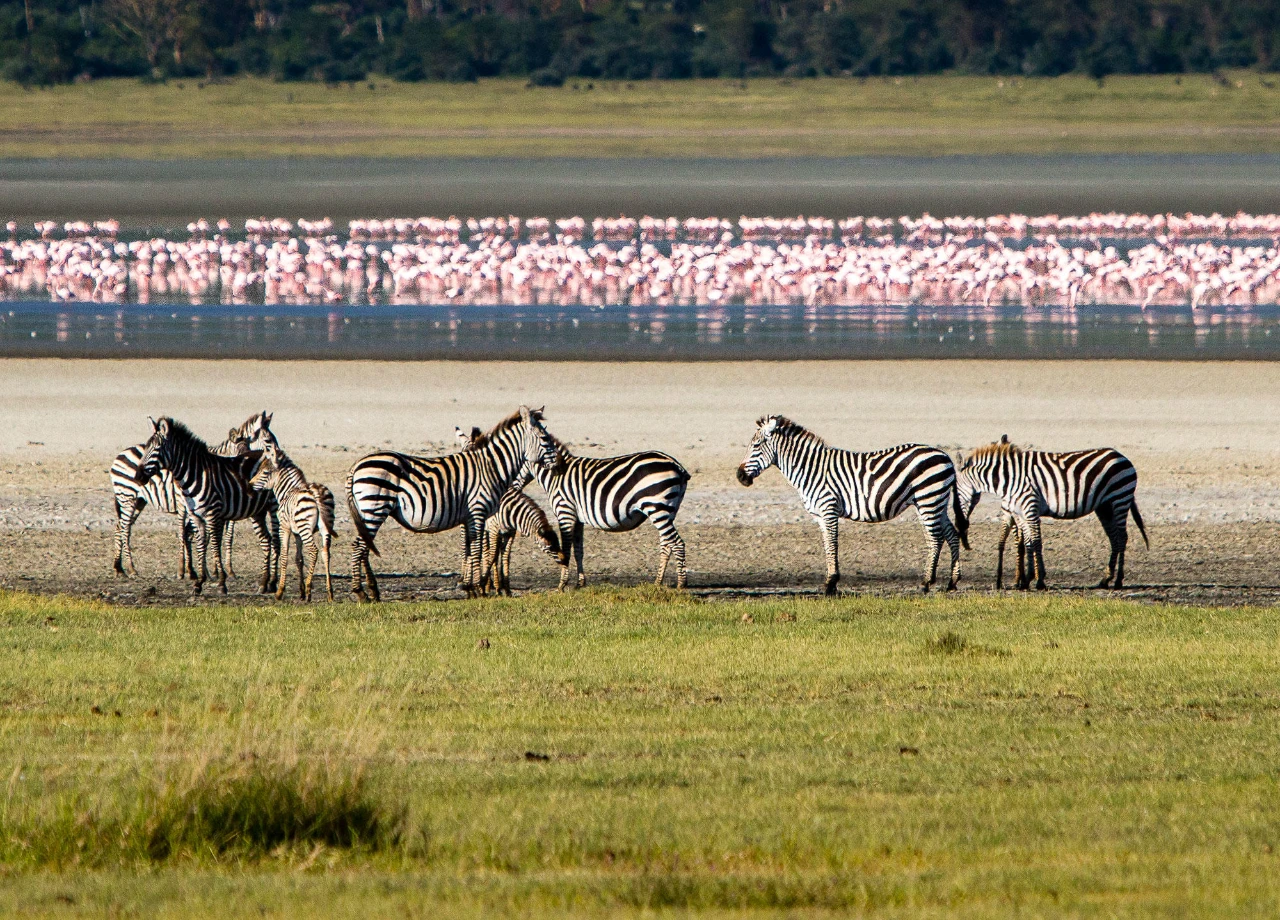
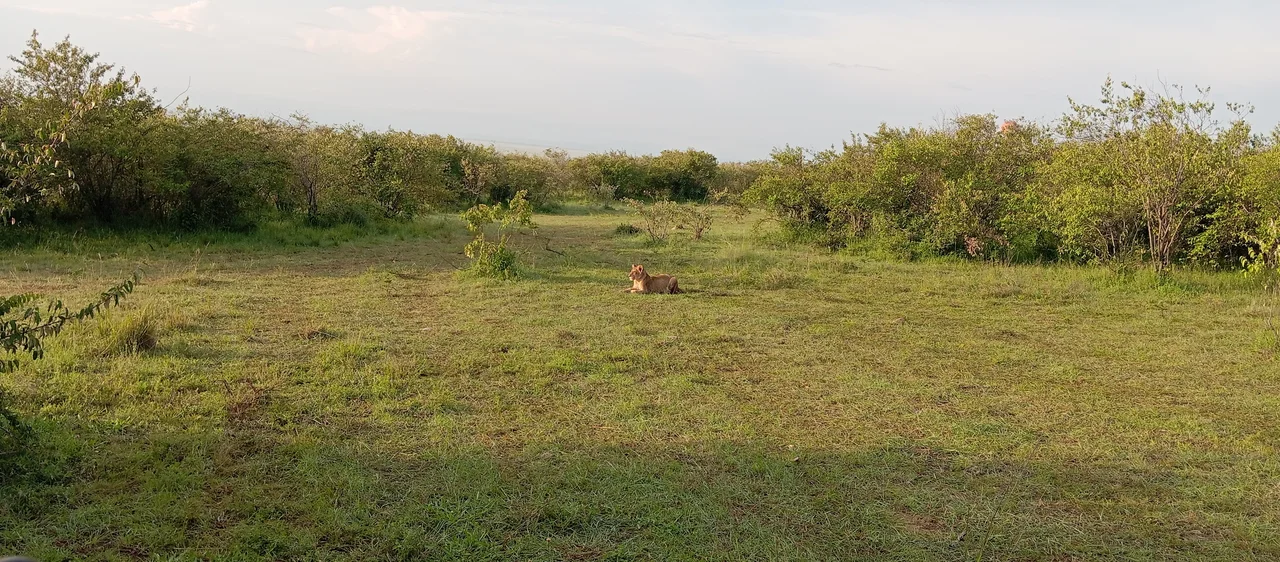
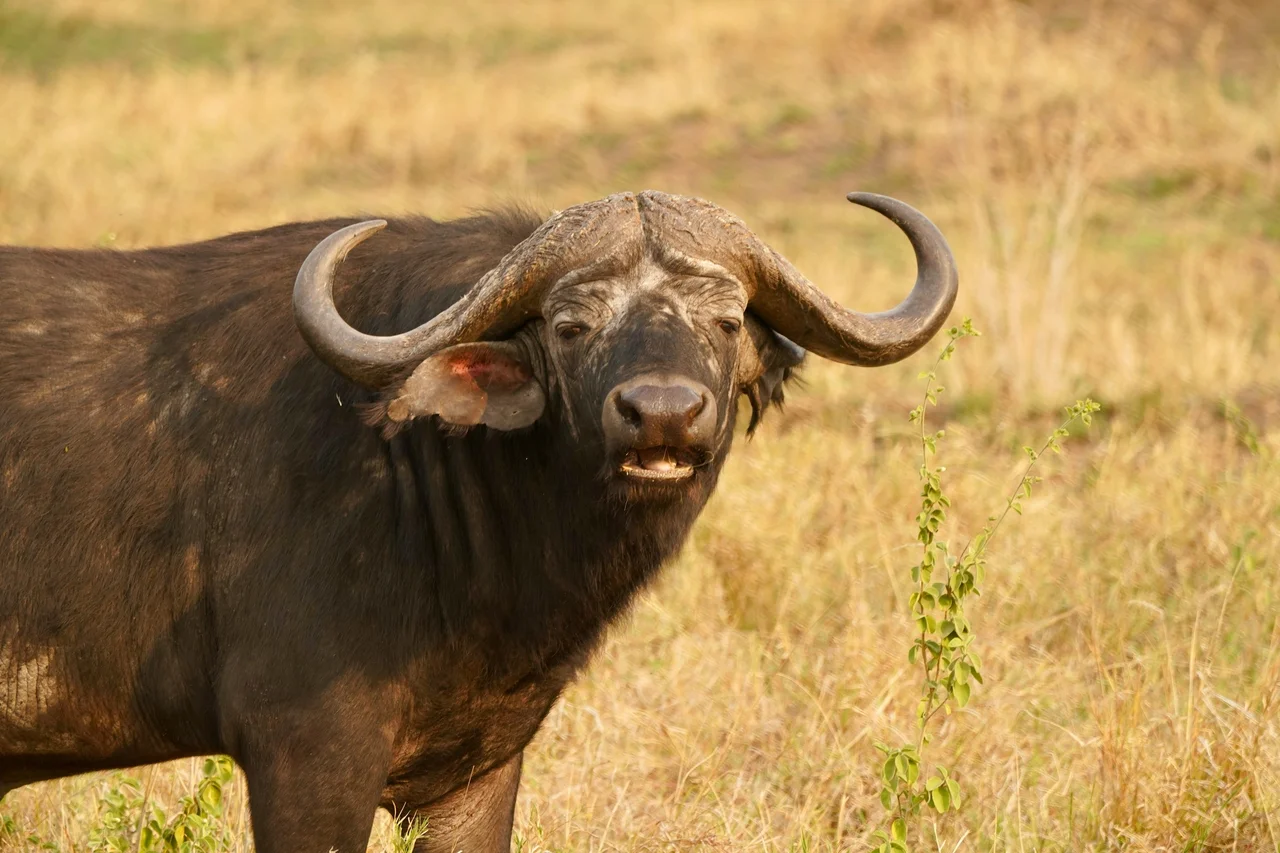
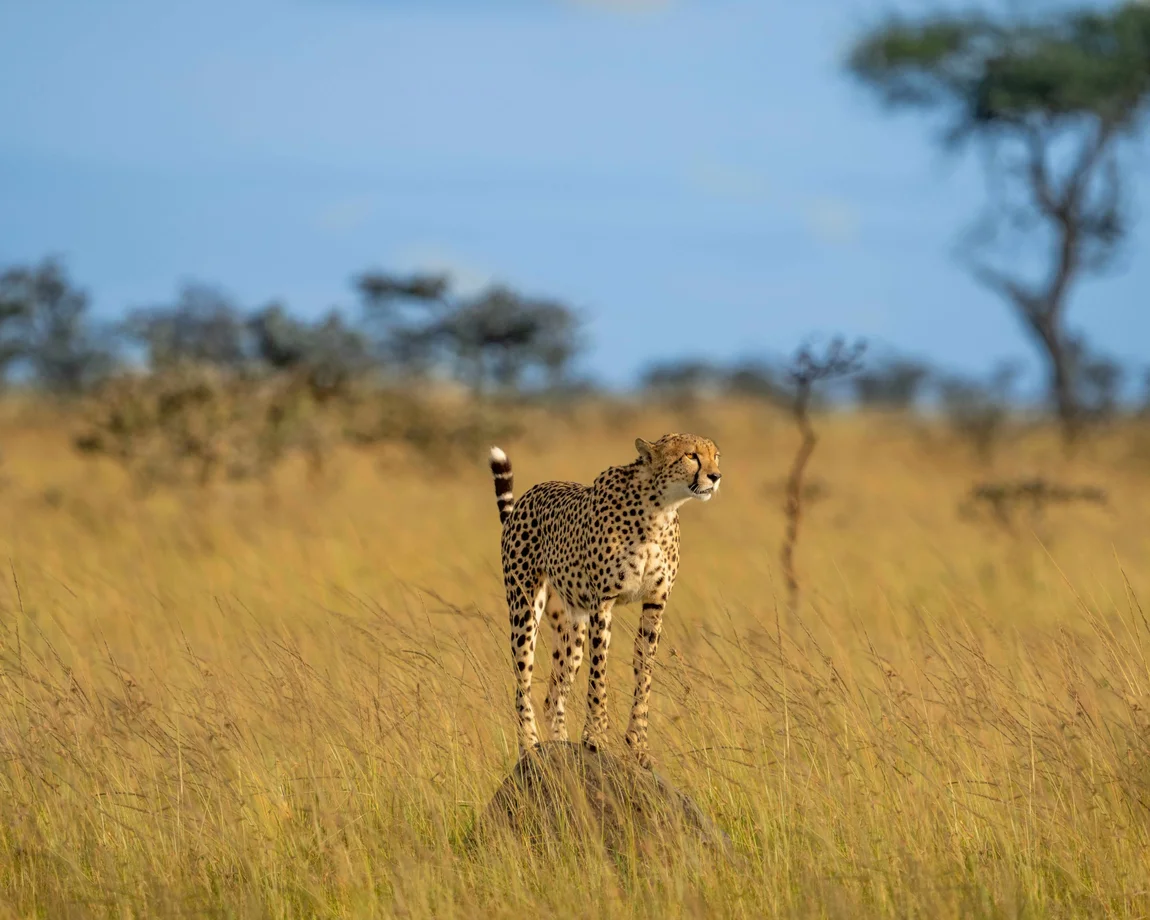
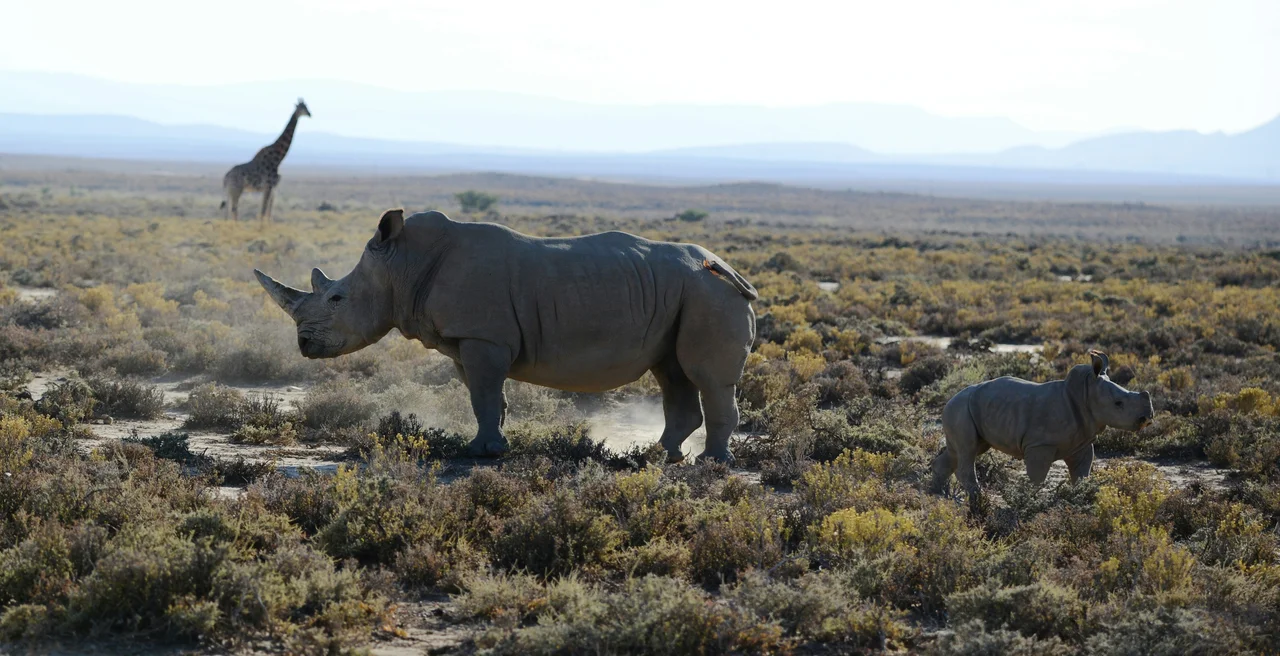
- Mammals: Elephants, buffaloes, giraffes, zebras, wildebeests, lions, leopards, cheetahs, hyenas, warthogs, and baboons roam the park.
- Birdlife: The park is a birdwatcher's paradise with numerous species inhabiting its forests and grasslands.
- Conservation: Ongoing efforts focus on combating overgrazing and habitat degradation to preserve this delicate ecosystem for future generations.
Diverse Habitats and Scenic Attractions
The park's ecological zones shift dramatically with altitude, offering a rich tapestry of landscapes:
- Tropical Rainforest: Home to lush vegetation and many bird species.
- Heather and Moorland Zones: Characterized by unique flora like giant groundsels and lobelias.
- Alpine Desert: Harsh volcanic terrain near the summit.
- Snow and Ice Zone: The iconic glaciers and snowfields at the peak.
Key attractions within the park include:
- Uhuru Peak: The summit of Kilimanjaro and the highest point in Africa, offering breathtaking panoramic views.
- Kibo Crater: A volcanic crater near the summit with fumaroles emitting steam and gases.
- Shira Plateau and Chala Crater Lake: Scenic spots ideal for nature walks and photography.
Top Things to Do in Kilimanjaro National Park
1. Climb Mount Kilimanjaro
The most popular activity is the multi-day trek to Uhuru Peak. Routes vary in difficulty and scenery:
- Machame Route: Known for scenic beauty and higher success rates.
- Lemosho Route: Offers excellent acclimatization with diverse landscapes.
- Marangu Route: The oldest and considered the easiest, with hut accommodations.
- Rongai and Umbwe Routes: Less crowded and more challenging.
Trekking takes 5 to 9 days depending on the chosen route and pace, with camping along the way.
2. Safari Game Drives
While Kilimanjaro is famous for its mountain, the park also offers game drives where visitors can spot the Big Five and other wildlife against the backdrop of the mountain.
3. Bird Watching and Nature Walks
Specialized birdwatching safaris and guided nature walks allow visitors to explore the park's diverse avian species and flora.
4. Cultural Tours
Engage with the Maasai community in nearby villages like Olpopongi to experience traditional dances, cattle grazing, and local heritage.
5. Adventure and Relaxation
Other activities include visiting the Materuni Waterfalls, Kikuletwa Hot Springs, and exploring Moshi town for a blend of adventure and cultural immersion.
Planning Your Kilimanjaro Visit
Best Time to Visit
- Dry Season (July to October): Ideal for wildlife viewing and trekking with less rain and better trail conditions.
- Wet Season (March to May): Lush landscapes and fewer tourists, great for birdwatching and photography.
Accommodation Options
From luxury lodges offering panoramic views to rustic campsites, the park caters to all budgets and preferences.
Travel Tips
- Prepare for temperature variations; it gets colder as you ascend.
- Book guided tours for safety and better wildlife spotting.
- Combine your Kilimanjaro climb with safaris in Serengeti or Ngorongoro for a complete East African experience.
Conclusion: Why Kilimanjaro National Park Should Be Your Next East African Adventure
Kilimanjaro National Park is more than just a mountain climb; it is a gateway to East Africa's rich natural heritage, thrilling safaris, and vibrant cultures. Whether you are an adventure seeker aiming for the summit, a wildlife enthusiast eager to spot the Big Five, or a traveler looking to immerse yourself in Maasai traditions, Kilimanjaro offers an unforgettable journey.
Start planning your Kilimanjaro tour today and experience the magic of Tanzania's shining mountain and its wild, welcoming landscapes.
Ready to explore Kilimanjaro National Park and beyond? Contact us for tailored East African safari packages, expert climbing guides, and insider travel tips.